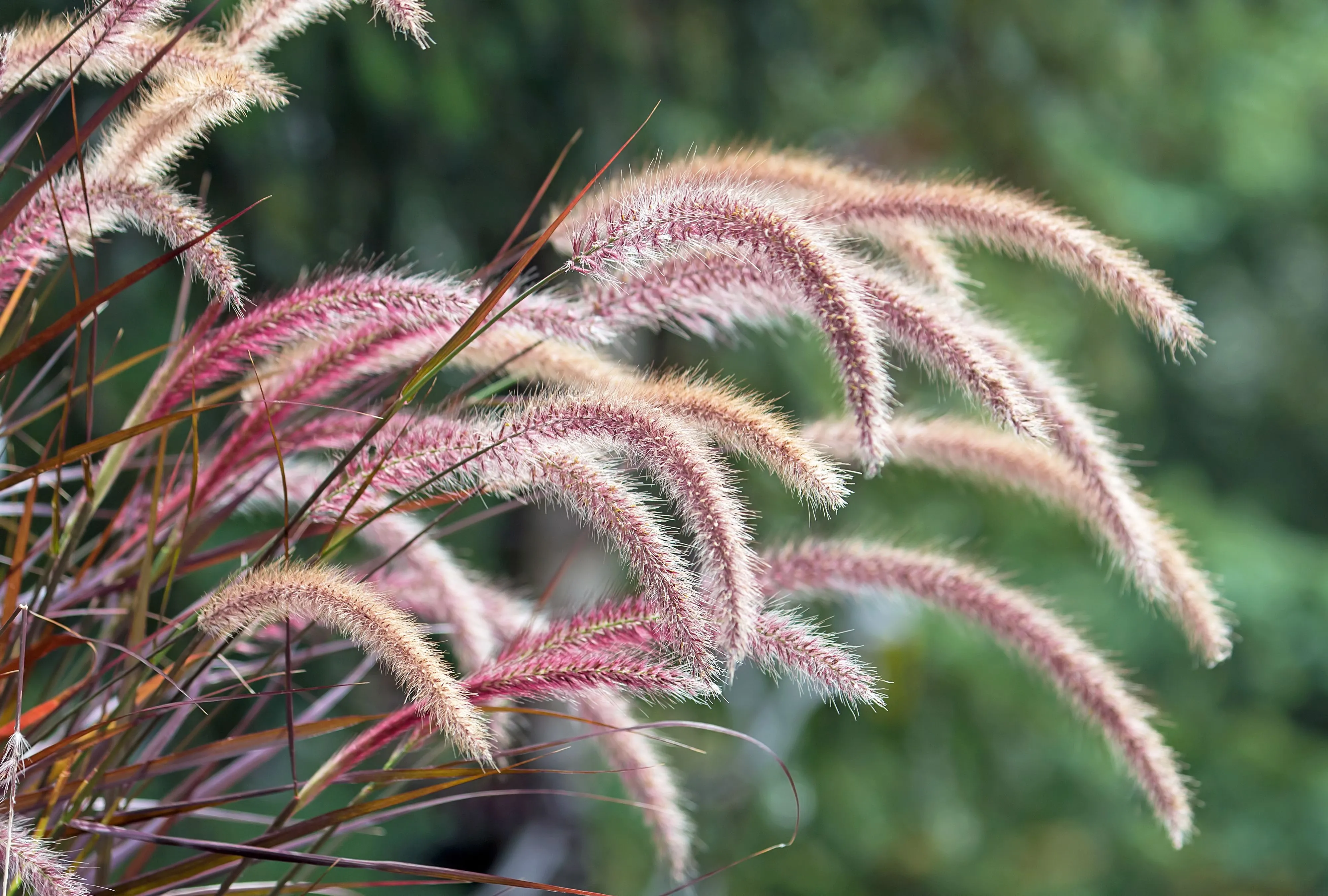
- Invasive ornamental grasses spread aggressively and outcompete other plants in the garden.
- Commonly planted invasive ornamental grasses include pampas grass, Mexican feather grass, and fountaingrass.
- The best way to find out if a plant is invasive in your area is to check with your local Extension Office.
As naturalistic gardens have grown in popularity, so too have the ornamental grasses that add airy texture and movement. But not all ornamental grasses are created equal, some can be bullies in the garden, spreading rapidly and edging out other plants, including important natives.
Here are some of the worst offenders. Remember, though, that a plant that’s invasive in one region can be harmless in another—always check with your local Extension Office to see if a plant is considered invasive where you live.
Instead of an invasive ornamental grass, consider planting a grass that’s native to your region instead. It will thrive in your local conditions, while also benefitting wildlife and the ecosystem.
Pampas Grass
Pampas grass (Cortaderia selloana) brings the drama, reaching 8 to 12 feet tall with showy white plumes. Its ability to grow quickly and reseed easily makes it an invasive plant in some areas. Its sharp leaves and size also make it difficult to remove once it’s established. Don’t plant if you live in Hawaii (where it’s been banned outright), California, or Florida.
Chinese Silver Grass
Chinese silver grass (Miscanthus sinensis), also known as Japanese silver grass, not only self-seeds with ease, but spreads through underground runners. It’s invasive in parts of the southeastern U.S. as well as a fire hazard in dry conditions. If you love its graceful shape and soft, airy texture, look for sterile miscanthus cultivars.
Mexican Feather Grass
Mexican feather grass (Nassella tenuissima) is popular for its feathery look and golden late-summer hue. Native to Texas, Mexico, and parts of South America, it’s fine to plant in many parts of the U.S. But if you’re in California, where it has been officially deemed invasive, it should be avoided due to its aggressive reseeding.
Giant Reed Grass
Giant reed grass(Arundo donax) can grow so large it crowds out other plants, while also expanding its footprint through underground rhizomes. A plant that thrives around bodies of water like rivers and streams, it’s considered invasive in many parts of the continental U.S., as well as Hawaii.
Related
Fountaingrass
Though loved for their graceful plumes, various types of fountaingrass (Pennisetum spp.) are considered invasive—or at least highly aggressive—in different regions of the U.S. Pennisetum macrourum is a problem in the Midwest, for example, while Pennisetum setaceum is invasive in warm areas of the south.
Reed Canary Grass
Reed canary grass, sometimes called ribbon grass (Phalaris arundinacea), is a tall green perennial that grows vigorously in a variety of soils and conditions. In much of the Midwest, it’s considered not only invasive, but a noxious weed, meaning it is harmful to local agriculture and wildlife.
Bamboo
Though it’s not typically thought of as a grass, bamboo belongs to the grass family. Many gardeners who plant it are initially thrilled with how quickly it grows into a tall privacy screen, but later regret that decision as it takes over their yard. The running varieties of these reed-like grasses, which spread via rhizomes, are considered invasive in many parts of the U.S., including the mid-Atlantic, southeast, and some western regions.
- <span>Gardening</span>
- <span>Flowers</span>
- <span>Perennials</span>